About
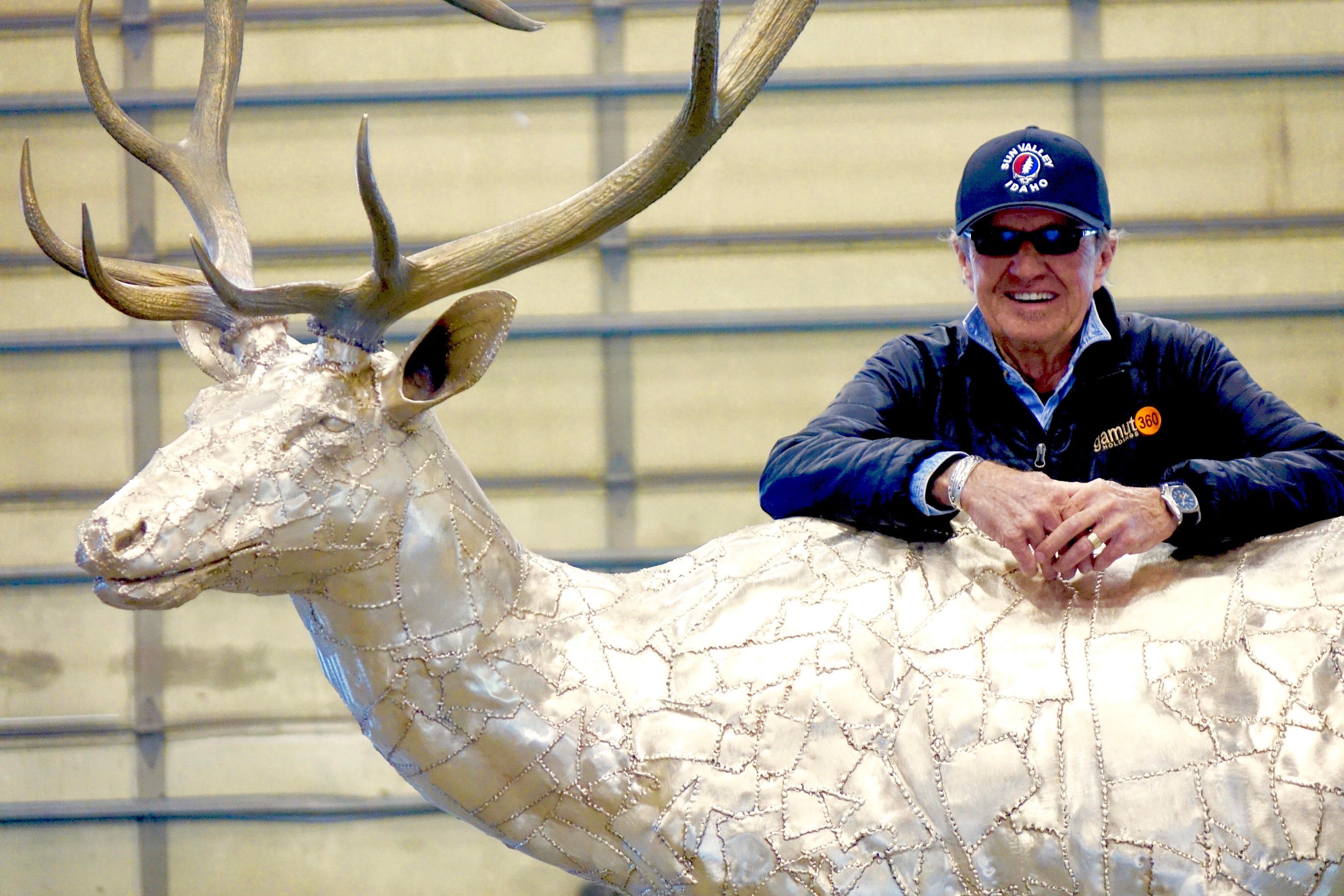
Russ Lamb's early ambitions were cold-forged in the harsh waters of the north Pacific. During the 1970s, when most of his contemporaries were easing into office jobs and lives of security and comfort, Russ went to sea in an open skiff, seining salmon from the straits between Puget Sound and Noyes Island. Rather than answering to phones and faxes, he answered to the brittle and capricious, yet always compelling, harmonics of nature.
When you handle hundreds — on some days thousands — of fish in the thick of the salmon season, you grow to either love them or hate them. Russ clearly and abidingly grew to love his quarry, harkening back to the ancient Ainu, who poetically referred to salmon as the "present from heaven." As one of the first western practitioners of Gyotaku — the classical Japanese art of lifting ink impressions directly from fish — Russ began producing visual testimonials to his catch. It wasn't long before he was embellishing his fish prints, adding color and texture, and his wild salmon documents developed a following among galleries, collectors, and the seafood houses of Seattle.
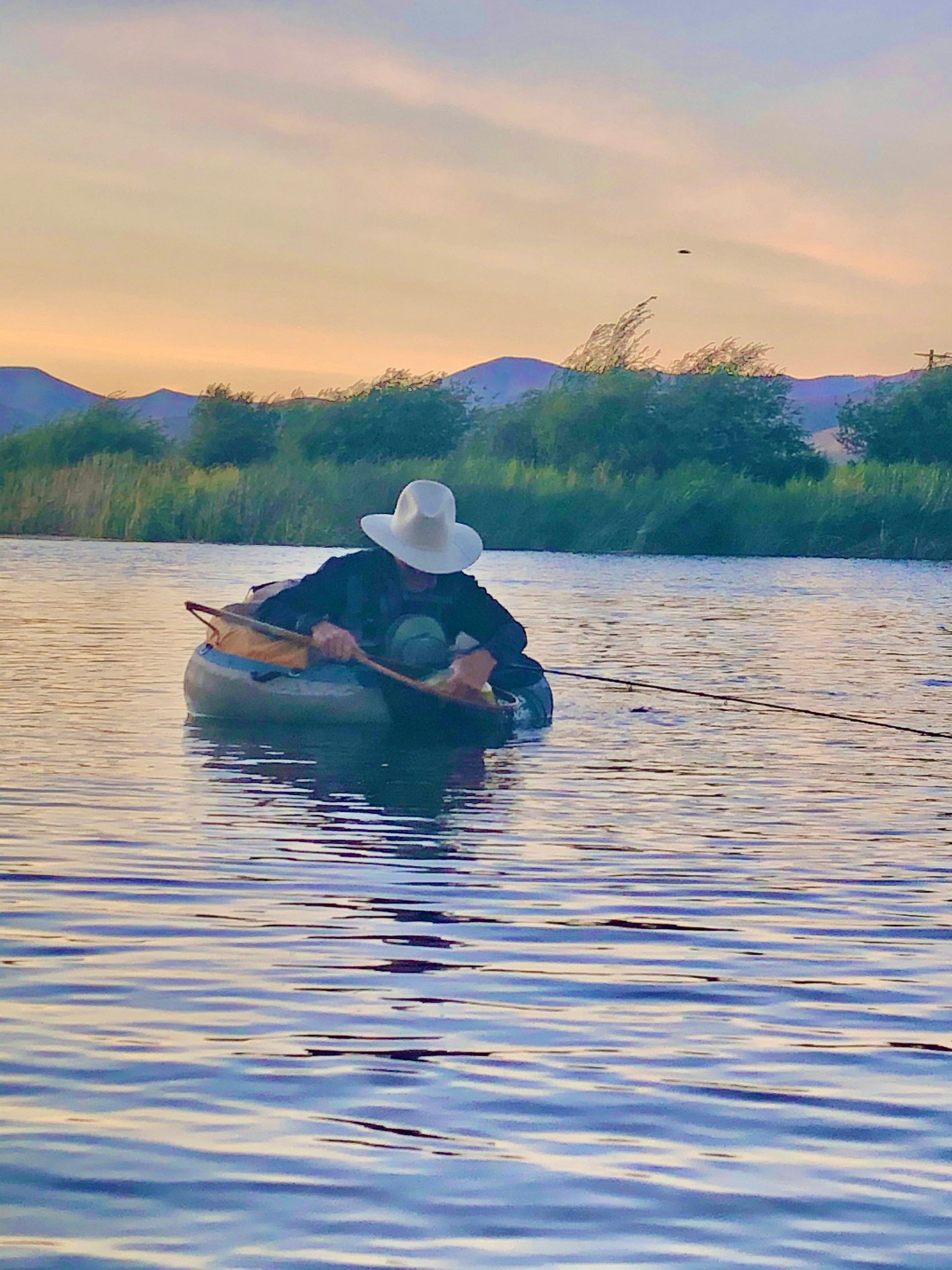
Success as a fisherman and artist carried him into the specialty foods business, and the business rewarded him. He had success and — for the first time in the artist's all-too-typical hardscrabble existence — he had money. But something was missing.
In 1997 Russ embarked on a sabbatical to the Amazon River to fly fish for peacock bass with Bob Koenke, editor of Wildlife Art News. During tranquil periods on the river, Russ contemplated the path of his trajectory. Koenke listened patiently, then bluntly observed: "Kid, you're a wildlife artist and you better start to realize it. So get your buffalo lined out and use the talents you were given."
Russ went back to the drawing board. Literally. And as his images became more expansive, so did his arsenal of media and materials. When daubs of Grumbacher's weren't enough to get the job done, he went to gallon cans of Sherwin-Williams. When inked salmon failed to leap far enough off the paper, Russ went to wood and metal, to clay and mortar — anything he could get his hands on with which to build multi-dimensional pieces that hummed with energy, installations that didn't merely occupy space but commandeered it.
While experimenting with a broad and sometimes odd array of media, Russ developed an affair with acetylene, falling under the spell of its intense heat and magic — the wicked blue stiletto of flame. He became a master welder and fabricator, turning slabs of steel into suspended schools of cavorting salmon, into ten-foot-tall elk dreamers, and into soaring gateway Chaparrals.
Make no mistake: Russ Lamb's work is not the sweet and cloying stuff that issues from the representational school of Western art. You'll find little of the warm and fuzzy to cling to in Lamb's imagery. As an ardent outdoorsman and conservationist, Russ understands that nature is beautiful but indifferent, that nature is chaos, that nature is life and death itself. When hunting game there comes that crucial moment when the arrow is nocked, when the hammer is cocked, when the fly rod is swept back into the initial arc of the backcast. Intent gives way to action; the conscious part of the brain surrenders to the purely reptilian. Between the thought — the plan to deliver the kill shot or the unerring cast — and its actual execution, there falls a shadow. It's that incomprehensible shadow which inhabits and informs each and every piece Russ Lamb creates.
Because they are at once mystical and accessible — gritty, often humorous, and in your face — there is an unflagging demand for Russ Lamb's one-of-a-kind renderings and sculptures, and increasing recognition keeps him busy with private installations and commission pieces. Russ has a method for keeping things in perspective: "When I start to feel like a slave to my work because of demand, I raise my prices. Perhaps that's madness. But emotionally and artistically it's about remaining true to who I am and where I find my inspiration. A studio can become a self-imposed cage if you're not careful, and you know what happens to wild animals when caged."
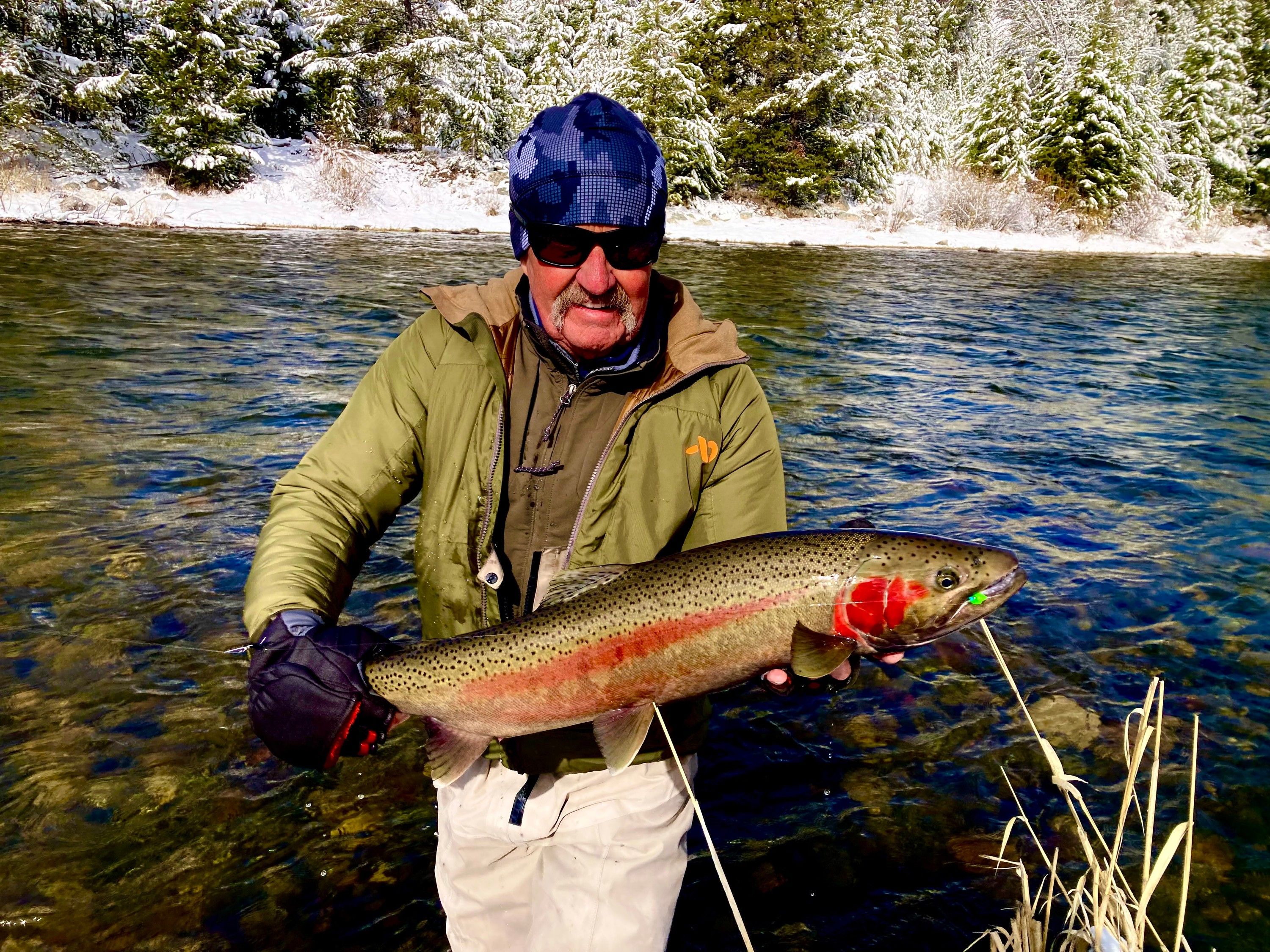
Periodically, and sometimes completely spontaneously, Russ takes off into the wild blue yonder — bow hunting for elk in the Rockies, fly fishing for bonefish in the islands, or simply saddling up his Harley and scorching some asphalt. He never comes back empty-handed. He returns with a knapsack of found objects — river rocks, gnarly wood, rusted iron, shed antlers, skulls, bones — inspirational nuts and bolts, the ribs and artifice of future projects. From nature's glorious and morbid detritus, Russ Lamb gives shape to the visions and entities found lurking in the landscape of his mind.
Today Russ works from his studio in Bellevue, Idaho, in the Wood River Valley near Sun Valley. His work is placed through commissions and direct relationships with collectors and designers.